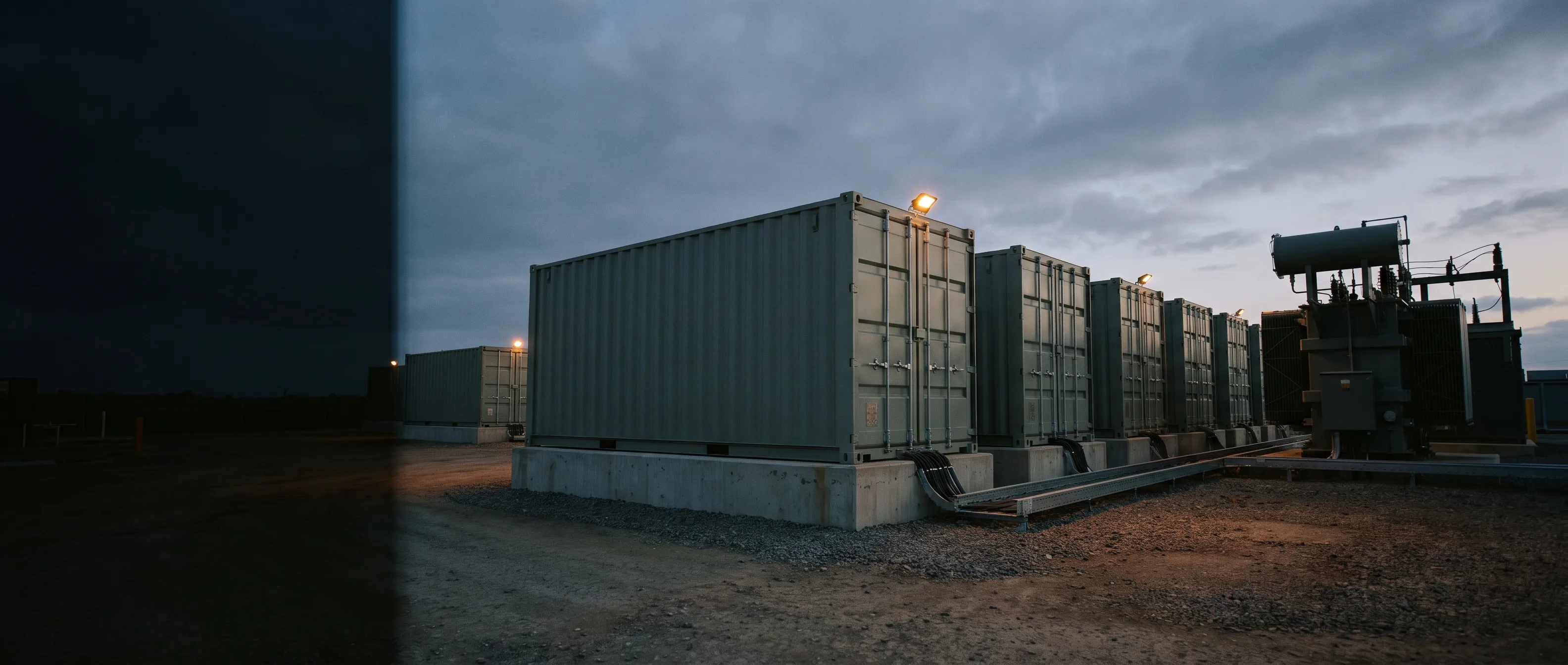
Grid-connected BESS

Storage systems engineered to survive the interconnection study.

Utility-scale and C&I battery energy storage for EPC contractors, developers and network operators.

Specified at the block, not the brochure.

Full parameters are on the page in HTML, so your engineers can compare us against another supplier without asking either of us for a PDF.

5.0MWh

Usable capacity per 20 ft unit

2.5MW

Rated PCS output

94.5%

Round-trip efficiency

10yr

Standard system warranty

Deployment profiles and container platform specifications
ParameterValueCondition
Deployment profile
Utility-scale20 - 200 MWh per siteFrequency regulation, renewable firming, transmission deferral · grid-forming and following · black-start capable
Commercial & industrial0.5 - 20 MWh per siteDemand charge management on constrained connections · load-following dispatch · parallel with on-site PV
Container platform
Nominal energy5016 kWhBeginning of life, 25 °C
Usable energy4765 kWhAt 95% depth of discharge
Nominal voltage1331 V DCSystem level
Operating temperature-30 to +55 °CDerating above 45 °C
CoolingLiquidIndependent loop per rack cluster
Fire protectionAerosol + gas detectionPack, rack and container level
Enclosure20 ft ISO, IP55C4 corrosion class coating
CommunicationModbus TCP, IEC 104Redundant fibre uplink
Single-line diagram, 5 MWh grid-connected blockUtility grid at 33 kV feeds medium-voltage switchgear and a 33/0.69 kV transformer onto a 690 V bus. A 2.5 MW power conversion unit connects the bus to two 2.5 MWh battery blocks. An energy management system supervises the conversion unit and both blocks.Utility grid33 kVMV switchgearTransformer33 / 0.69 kV690 V AC busPower conversion2.5 MWDC bus · 1331 VBESS block A2.5 MWhBESS block B2.5 MWhEMSSupervisorySolid: power path · Dashed: control link
One 5 MWh grid-connected block — the arrangement the table above describes.

Reading the block

Point of connection
33 kV through medium-voltage switchgear and a 33 / 0.69 kV transformer
AC side
One 2.5 MW conversion unit on a 690 V bus — the unit your grid-code study is run against
DC side
Two 2.5 MWh blocks on a 1331 V bus, each independently isolatable for service
Control
EMS supervises conversion and both blocks; dashed lines are control, solid are power

Larger sites repeat this block. The interfaces inside it are fixed, so scaling up does not reopen the single-line.

Representative specification figures for the current container platform. Project values are confirmed in the datasheet issued with each quotation.

Project record

Blocks that are already running.

Each entry states what the site got and when it went live — capacity, location, application and commissioning date, in that order, because that is the order a developer checks them in.

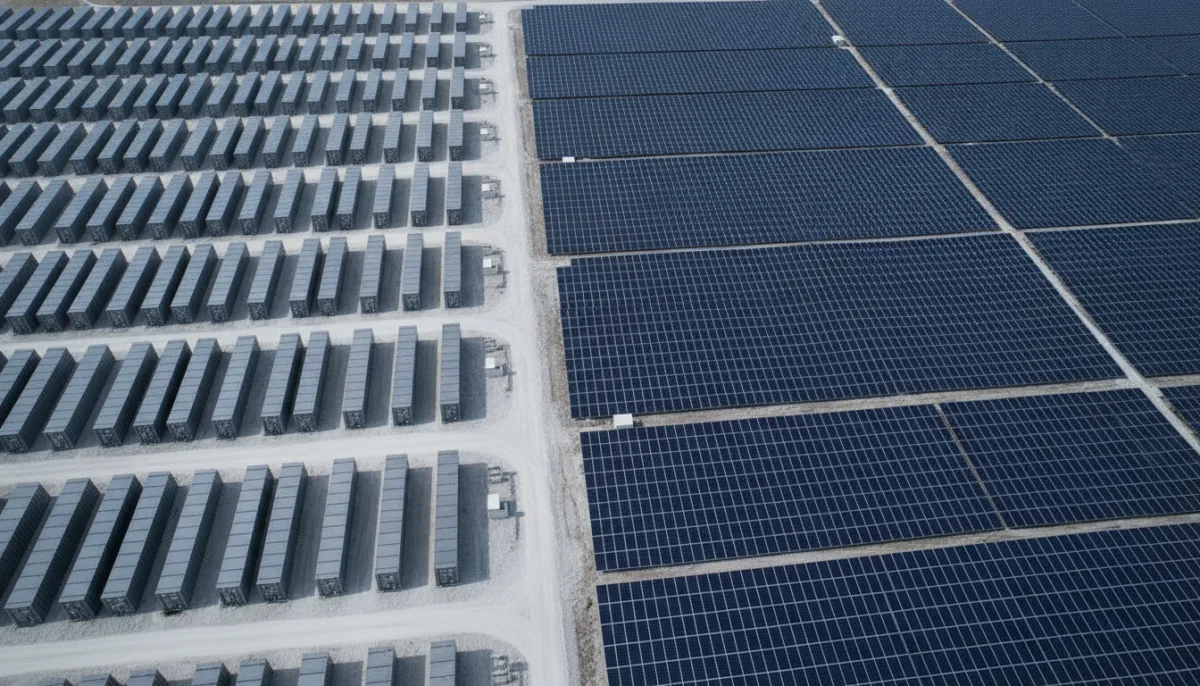
Aerial view of rows of storage containers beside dense photovoltaic arrays.

120MWh

Renewable firming

ChileLive 2024 Q2

Four-hour discharge block co-located with a PV plant, commissioned in two phases. The container rows sit on compacted pads with a fire lane wide enough to drive between them — the layout, not the cell, sets the site footprint.
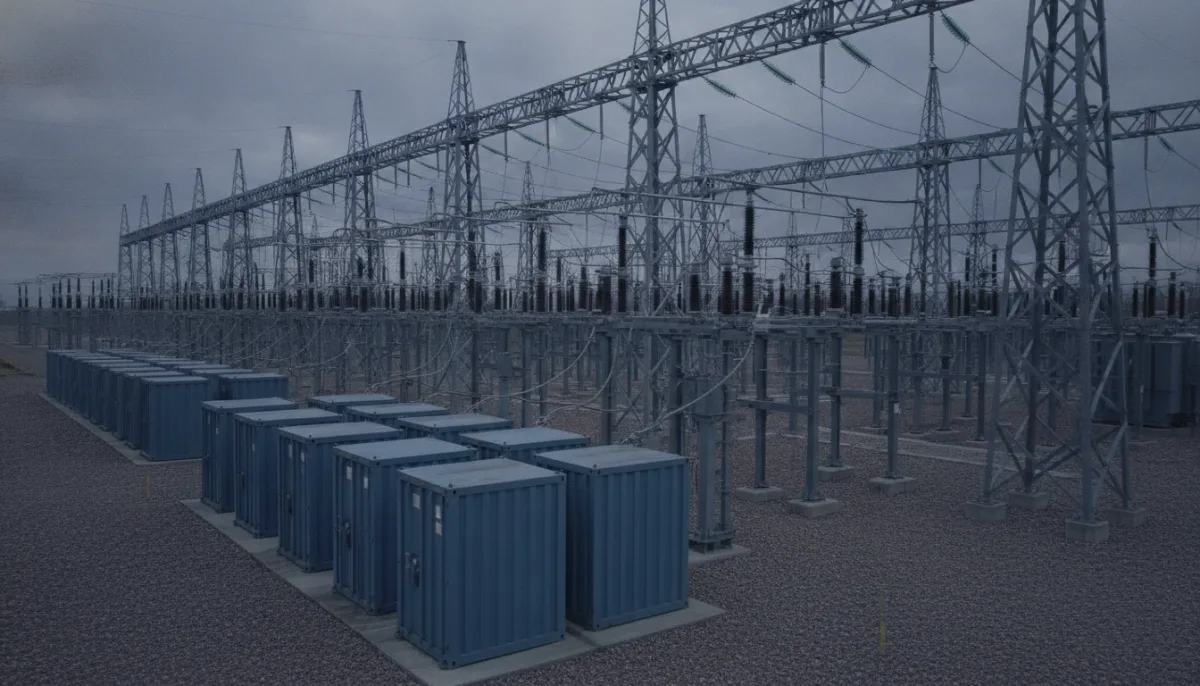
Storage containers on concrete pads inside a substation yard.

18MWh

Frequency regulation

GermanyLive 2023 Q4

Grid-forming configuration prequalified for primary reserve participation. Prequalification testing was run against the delivered block, not a reference design.

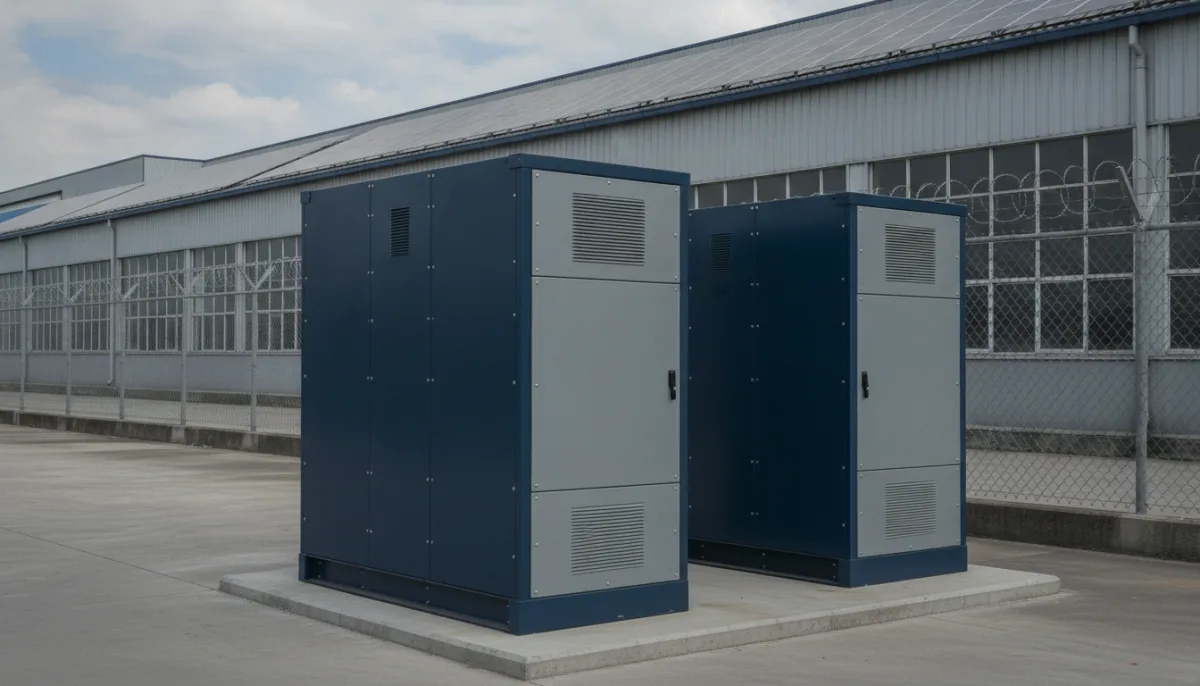
Two storage cabinets in a fenced factory yard with rooftop solar behind.

6MWh

Peak shaving

AustraliaLive 2023 Q1

Behind-the-meter installation on a constrained industrial connection, dispatched against the site load profile rather than a market signal.

Representative project profiles illustrating typical configurations and delivery scopes. These are not client records; named references are provided under NDA during commercial discussion.

Product lines

Four building blocks, one integrated system.

Buying the four lines together means the interfaces between them are specified, not negotiated on site — and one spares contract covers all of them.

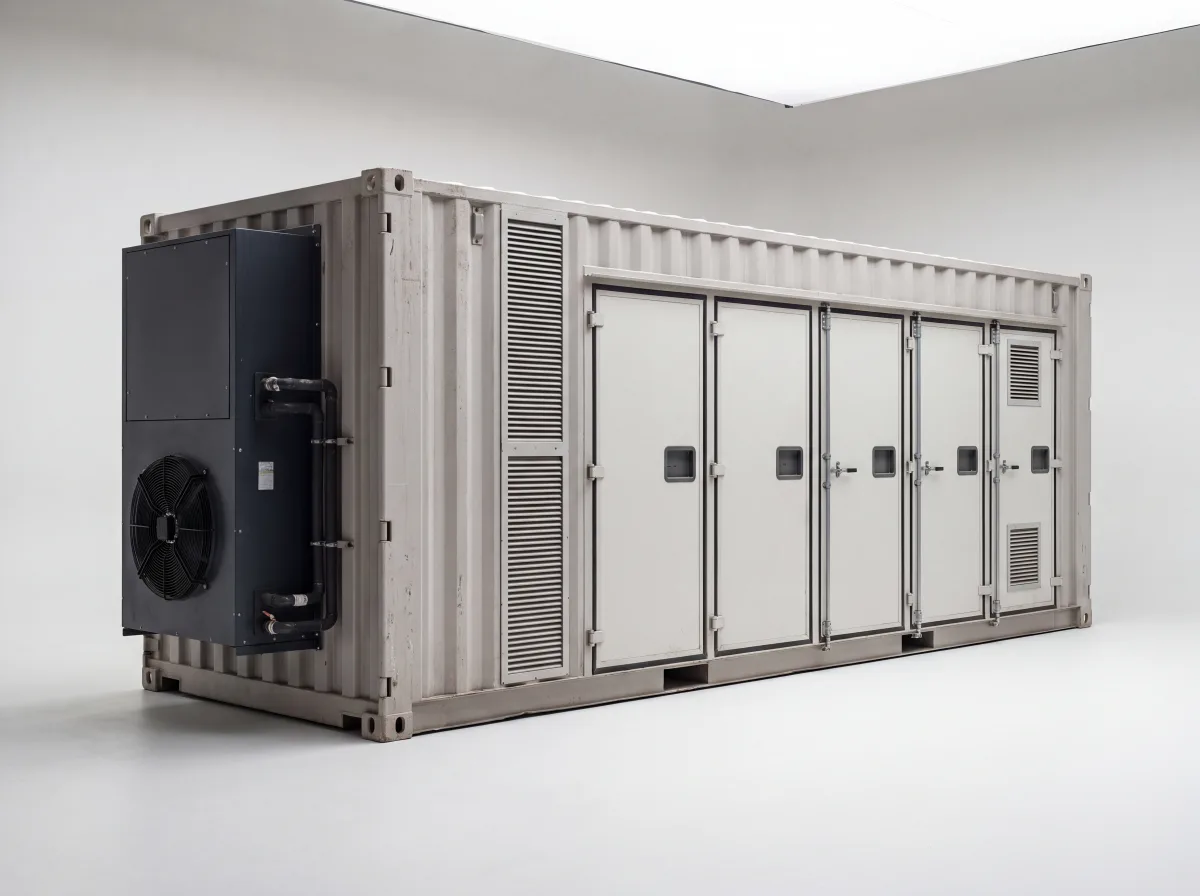
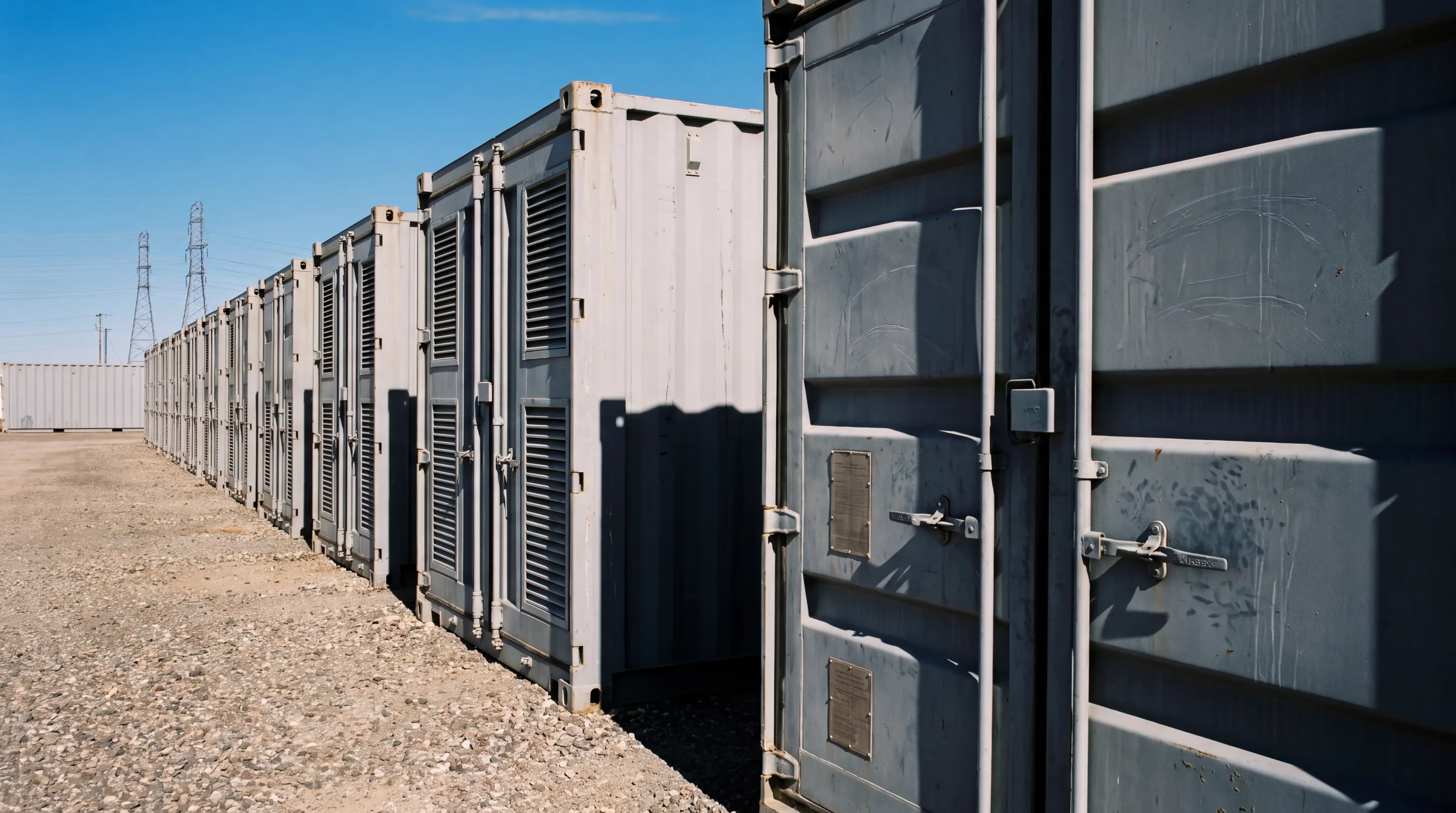
Twenty-foot liquid-cooled battery energy storage container, three-quarter view.
Twenty-foot enclosure — cooling skid at the near end, service doors along the long side.

Battery container

Capacity
3.7 - 5.0 MWh
Cell
LFP 314 Ah
Ingress
IP55
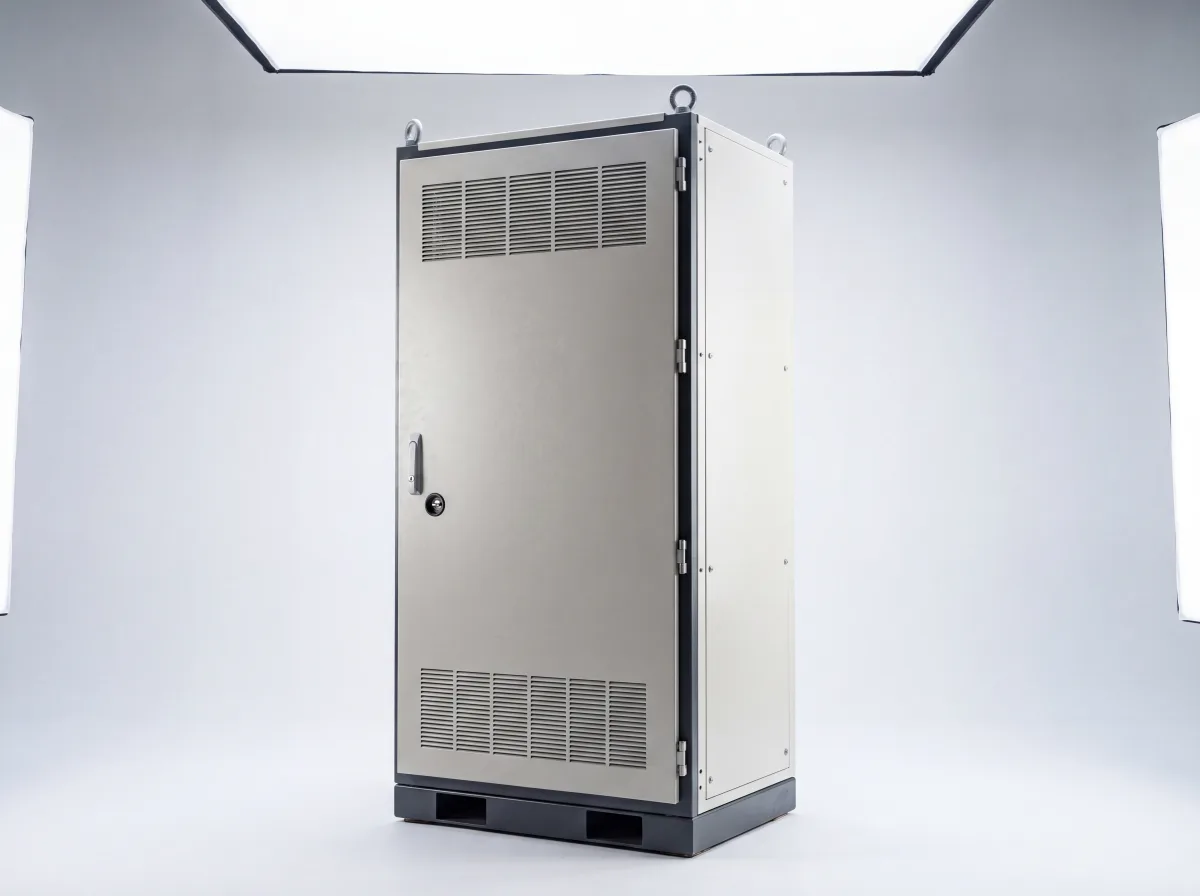
Floor-standing power conversion cabinet with sealed front door.
Floor-standing cabinet, front access only — it can be lined up against a wall.

Power conversion

Output
1.25 - 2.5 MW
Voltage
690 V AC
Grid code
IEEE 1547
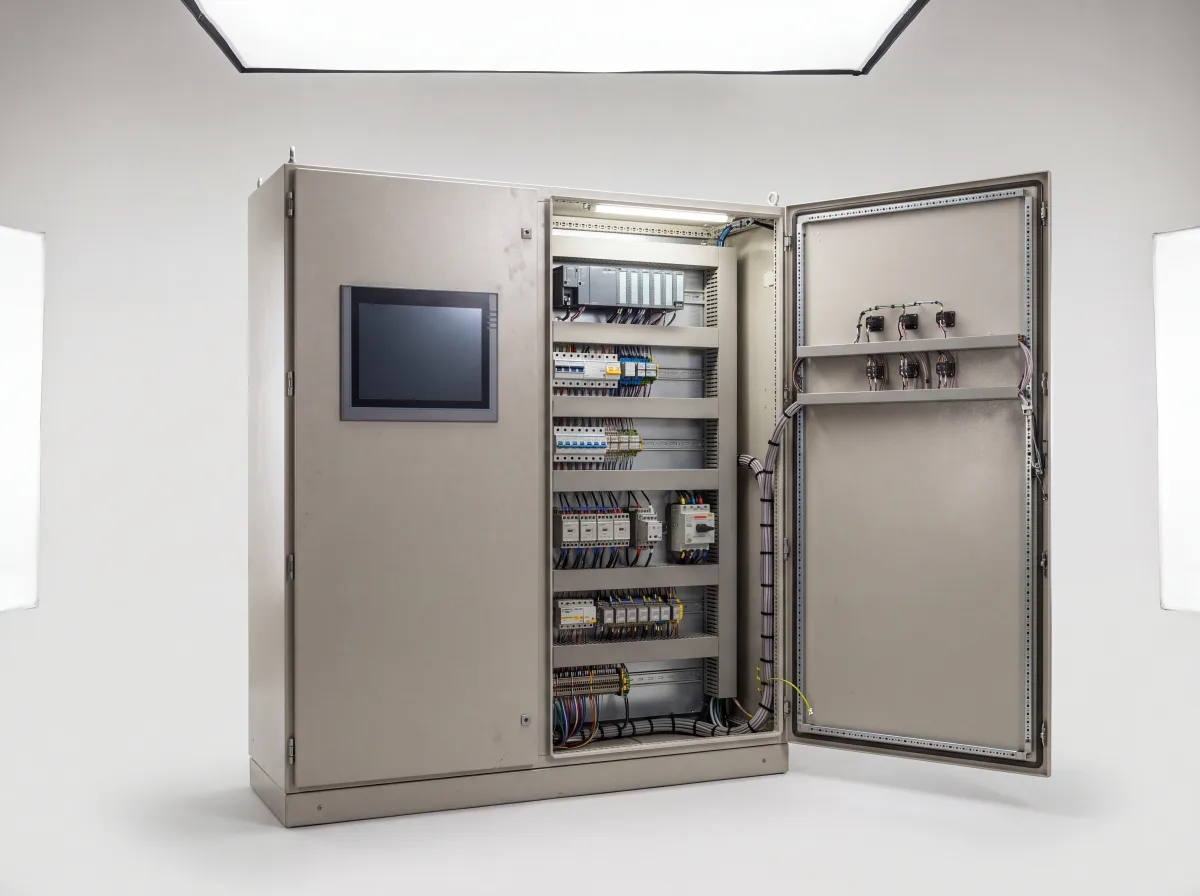
Energy management control cabinet with the door open, showing rack modules and wiring.
Control cabinet with the door open — rack modules above, field wiring terminated below.

Energy management

Protocol
Modbus TCP
Response
< 100 ms
Access
On-site + remote
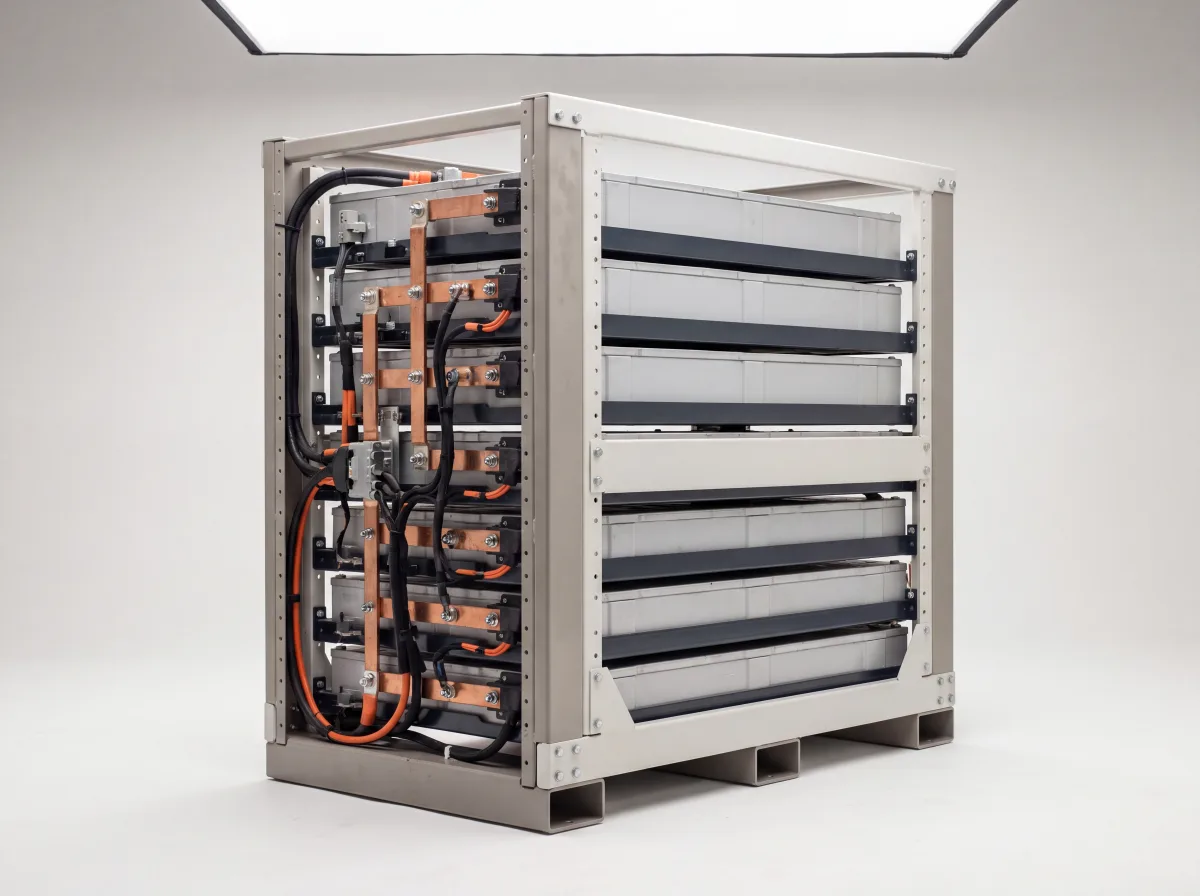
Steel rack holding stacked prismatic battery modules linked by copper busbars.
One rack, eight modules, linked by copper busbars — the unit that gets replaced in service.

Battery module

Energy
86 kWh
Cycle life
> 8000
BMS
3-tier

Certification

Records, not badges.

Certificates are issued per model and per market. Each row states the standard, the issuing body, the certificate number and the product line it covers.

Certification matrix
StandardIssuing bodyCertificate no.Coverage
IEC 62619:2022TÜV SÜDES-2024-11870Cell and battery safety — container platform
IEC 62933-5-2TÜV SÜDES-2024-11902System safety — grid-connected ESS
UL 9540AUL SolutionsUL-9540A-4417Thermal runaway fire test — cell, module, unit
CE / EN 50549-1DEKRADK-2024-30988Grid connection — PCS product line

Certificate numbers are specimen values for this demonstration — replace with the issued numbers before publication. A standard name without a number cannot be verified by a compliance reviewer.

On site

Delivered as a block, not a parts list.

Containers, conversion and control arrive specified against one single-line diagram — the interfaces between them are settled before anything reaches the pad.

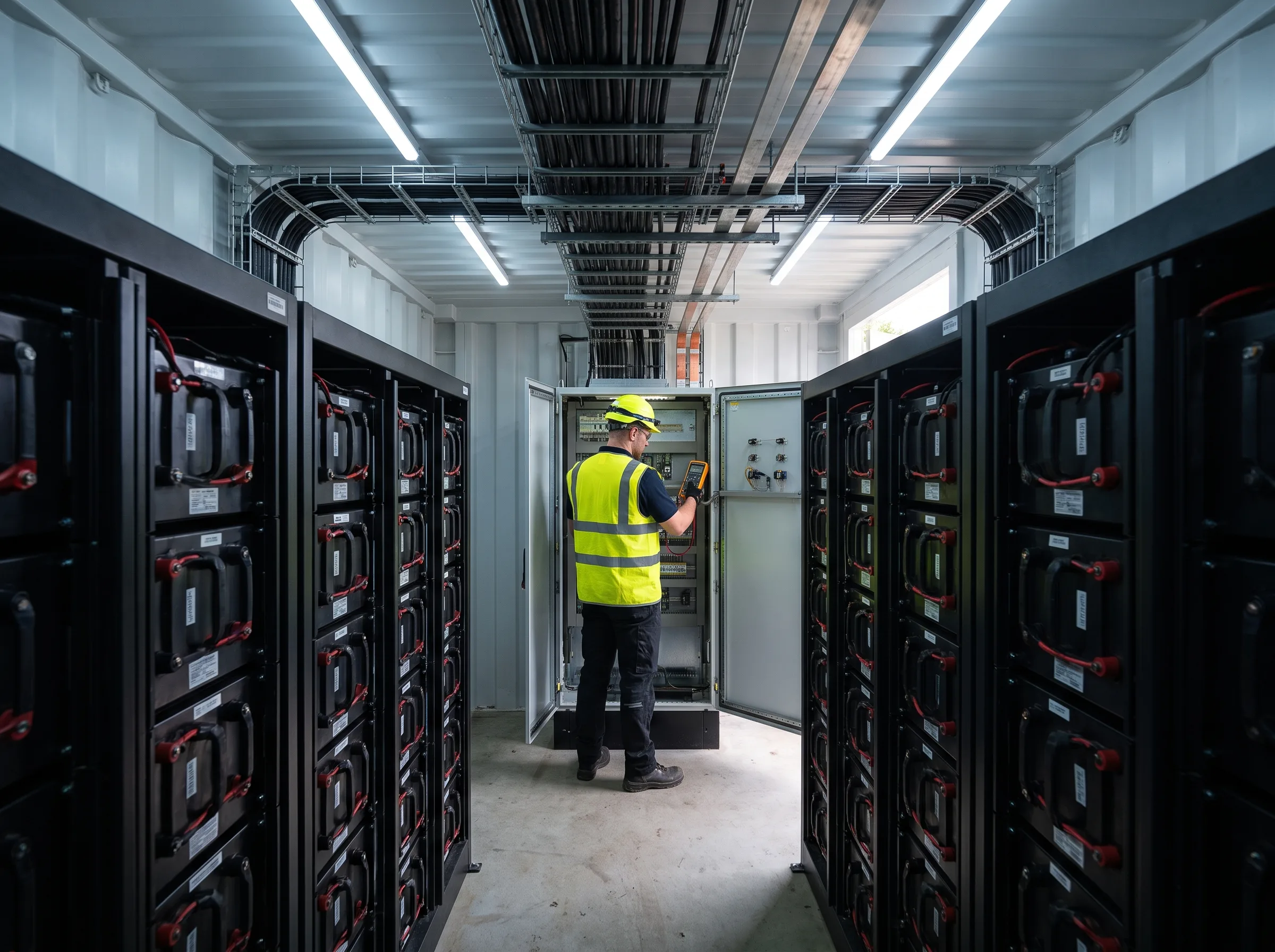
Technician in a high-visibility vest working at an open control panel inside a battery storage container during commissioning.
Commissioning inside a delivered block — the aisle between the racks is sized so one engineer can reach every module without a lift.

The part that runs for ten years.

An asset that runs unattended for a decade is bought on the service contract, not on the datasheet — so the terms are on this page rather than behind a call.

Installation & commissioning

Factory pre-commissioning, site supervision and grid-code compliance testing.

Remote monitoring

Continuous telemetry with alarm escalation, exportable to owner SCADA.

Spare parts & response

Regional spare holding for modules, PCS boards and cooling components.

Warranty & capacity

Ten-year system warranty with a contractual capacity retention schedule.

Project enquiry

Send the site conditions. We will send the configuration.

Connection voltage, required duration, grid code and site constraints are enough to return an indicative single-line and equipment list.

Engineering reply
Within 24 - 48 hours on business days
Registered office
Wilhelminakade 173, 3072 AP Rotterdam, Netherlands
Established
2013 · containerised systems since 2018

Phone number and registered address are demonstration placeholders — replace with the real entity before publication.